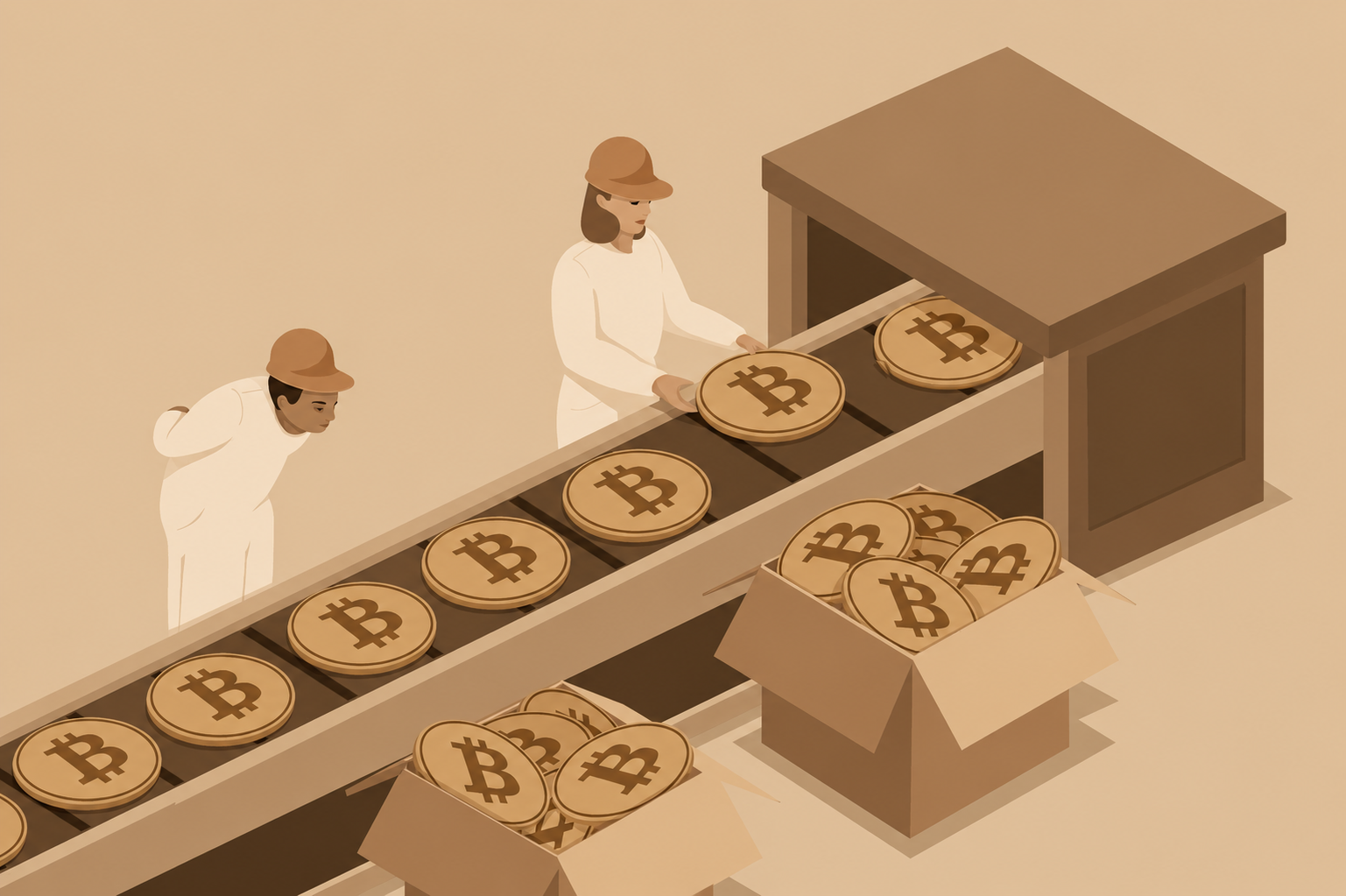
Across Southeast Asia, stablecoins are rapidly becoming financial infrastructure. The question is which currencies will power it: US dollar tokens that already dominate the market, or a growing crop of local-currency alternatives.
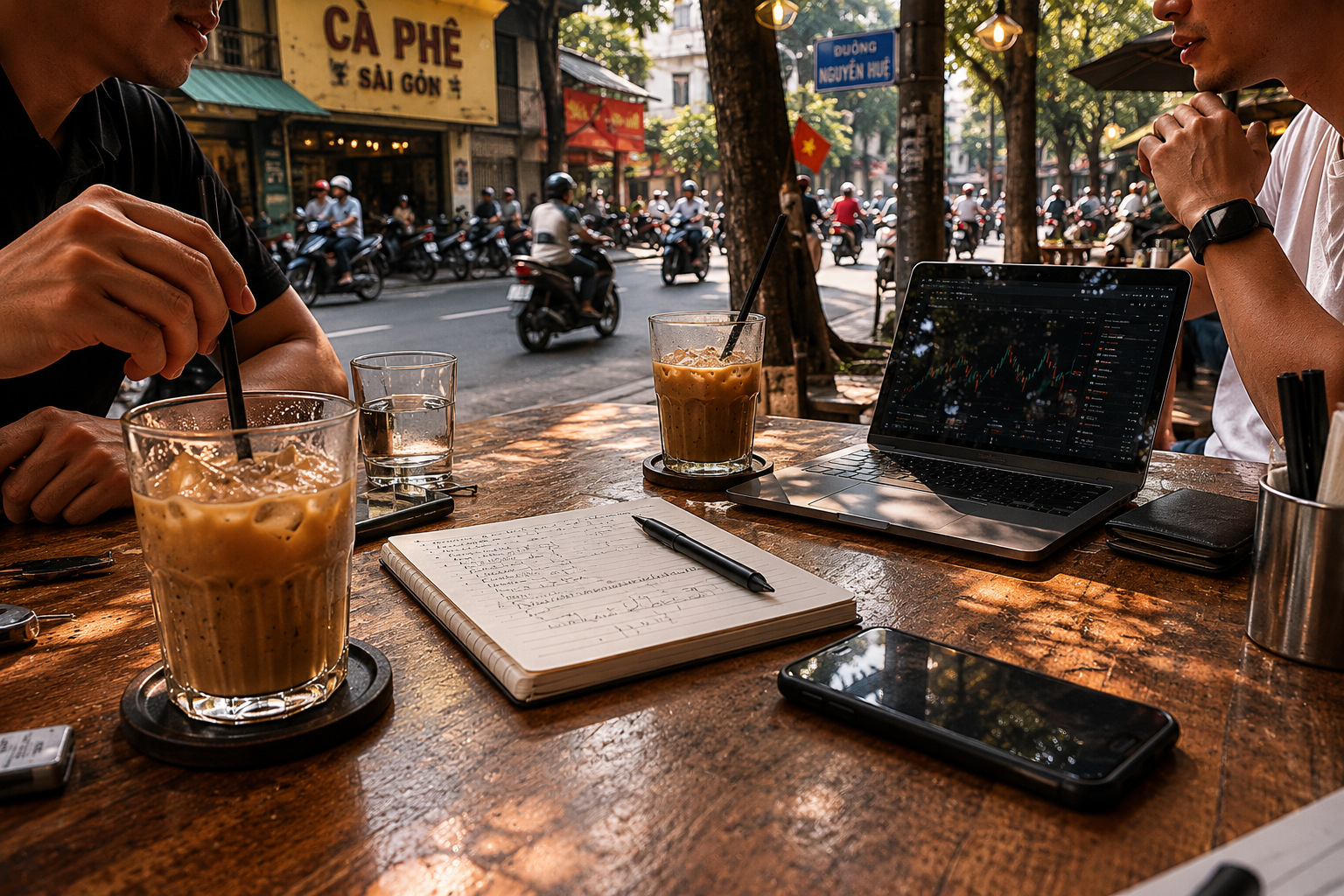
On payday in Jakarta, 28-year-old Erika Yuliani Lukmawati doesn’t wait for an international transfer to clear. A trained accountant, she receives payment for a web3 side gig through Bitget Wallet, settled in USDT on the BNB Chain, “since it’s the most liquid and lowest-fee option,” she says. Her most recent outgoing payment from the self-custodial wallet was for lunch: the merchant received Indonesian rupiah instantly, with a fee close to zero.
Before switching in 2025, Erika told The Node she relied on Wise and PayPal for international transfers. Settlement took around three days, she says, “plus the fees were high and had a bad rate conversion FX”… worse if a payment landed on a weekend. Now the money lands in seconds. She splits it on arrival: about half is converted to Indonesian rupiah through a local exchange, a portion is kept for spending, and the rest is moved to a wallet she treats as dollar savings.
Erika’s integration of stablecoins into her daily financial life is part of a much larger shift: Southeast Asia’s crypto industry is rapidly turning into a payments industry. The region of 700 million people is where the world will first see what a stablecoin economy actually looks like.
Nations like Singapore, Vietnam, Thailand, the Philippines, and Indonesia make a natural proving ground: fragmented currencies, large underbanked populations, and some of the world’s largest remittance corridors.
Read more via The Node, CoinShares.



















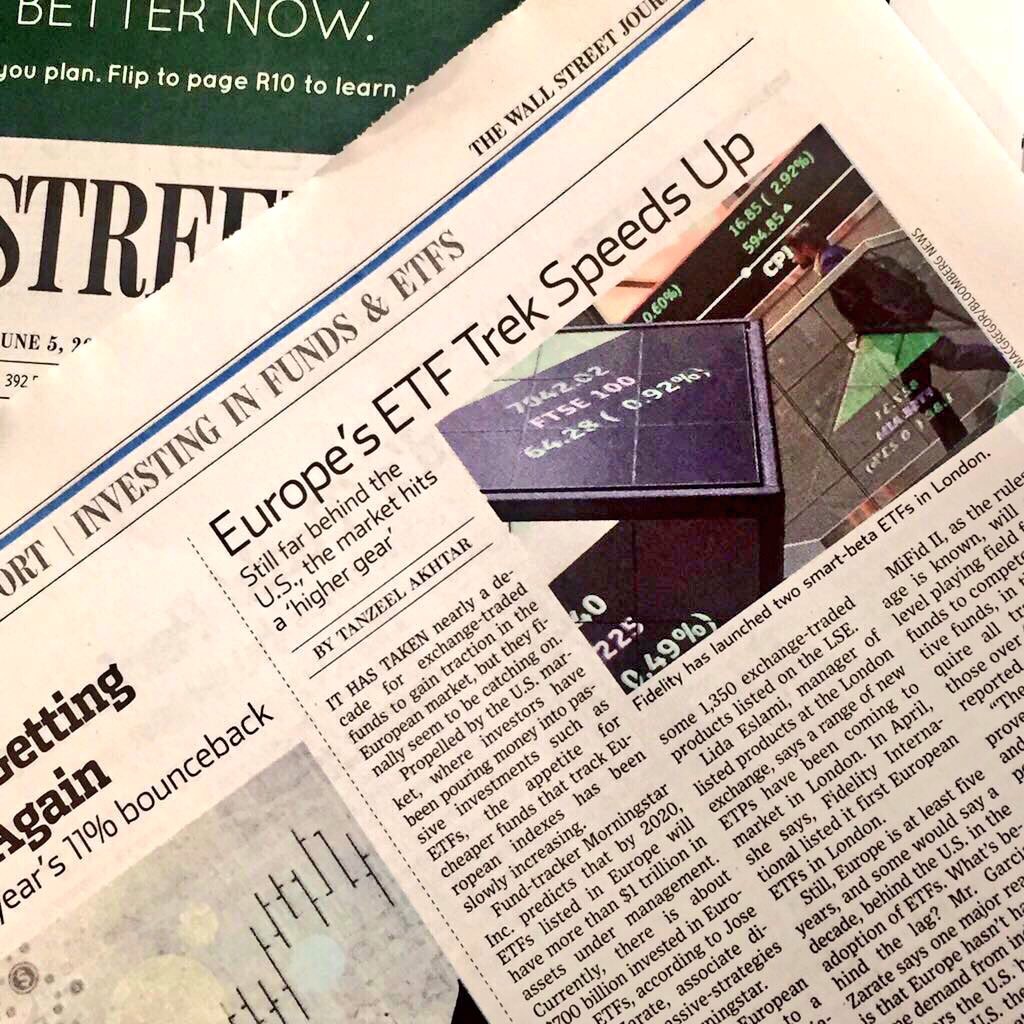
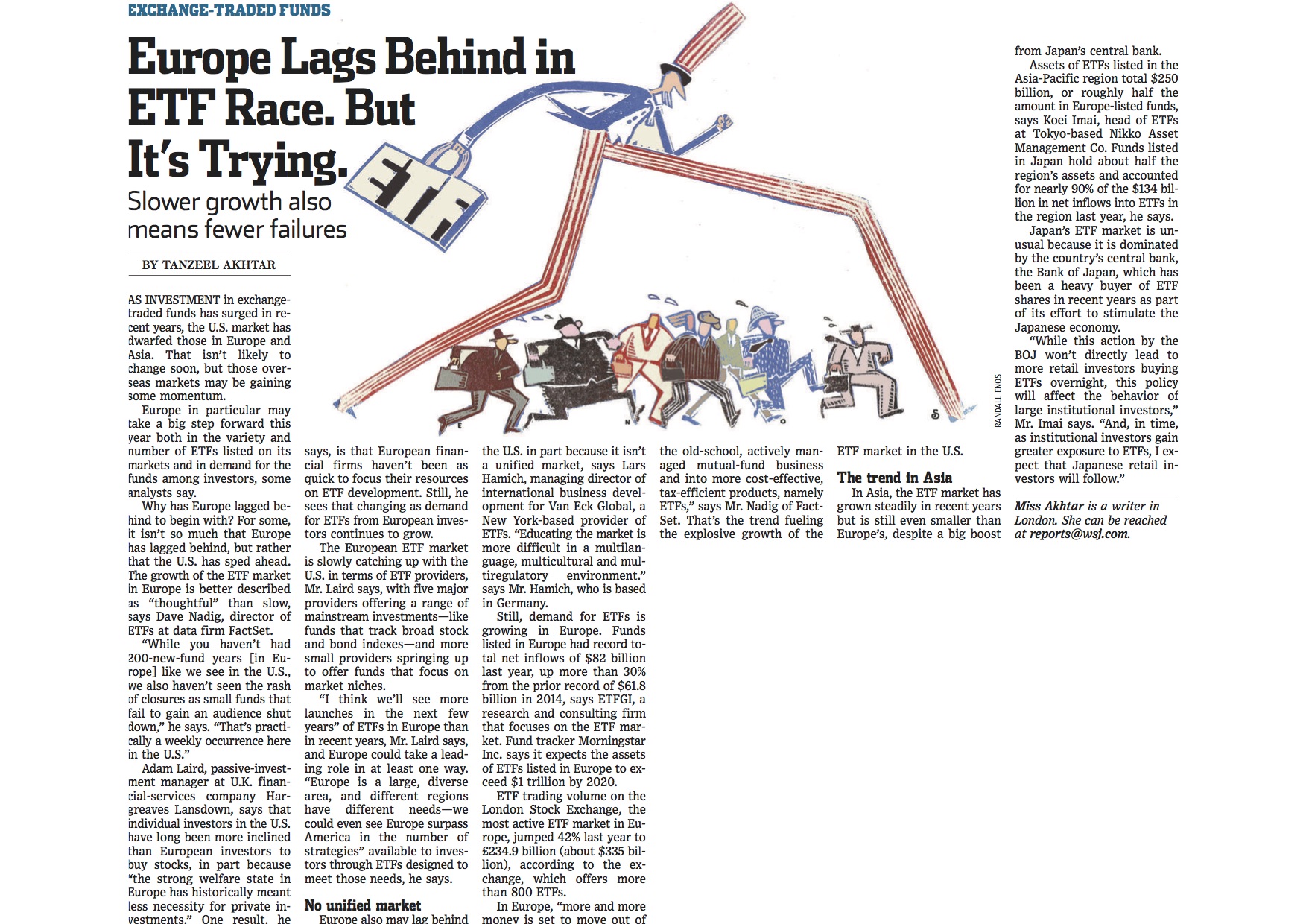
 The recent slowdown in eurozone growth, political turmoil in Italy and a weakening euro have spurred outflows from European-stock exchange-traded funds.